


Flies: The Best Streamer and Emerger Options for Trout and Bass Fishing
As a passionate angler, I've spent countless hours perfecting my fly fishing techniques, particularly focusing on the types of flies that yield the best results. Understanding which flies to use for different species can significantly enhance your fishing experience. The right flies can attract the most elusive trout and bass, making your time on the water both productive and enjoyable.

Streamer fishing flies are a staple in my tackle box; their ability to mimic larger baitfish makes them particularly effective for targeting aggressive species. When it comes to trout fishing, choosing the best emerger flies can also make a substantial difference, especially during hatching seasons. Knowing what the fish are feeding on at any given time is crucial for success.
I have found that adapting my fly selection based on conditions—like weather, water clarity, and season—results in more successful outings. Whether you're new to fly fishing or looking to refine your skills, exploring the best flies for each type of fish will equip you with the knowledge needed to improve your catch rate.
Understanding Fly Fishing Flies
In fly fishing, selecting the right flies is crucial for successful angling. I focus on understanding the life cycles of insects and the specific types of flies, such as dry flies, that can attract my target species.
Life Cycle and Fly Selection
Insects undergo distinct life stages from egg to adult. Understanding these stages helps me choose matching flies for current conditions.
Key Life Stages:
- Egg: The starting point of the life cycle.
- Nymph: Aquatic stage, often a target for fish.
- Emerger: Transitional phase when insects begin to surface.
- Adult: The final stage, recognizable by wings.
I match my flies to these stages based on what fish are feeding on at any given time. A selection of nymphs is often effective in the spring, while adult flies may work better in warmer months.
Dry Flies
Dry flies mimic adult insects resting on the water’s surface. They are designed to float and entice fish to strike.
When using dry flies, I consider factors such as:
- Pattern: The appearance of the fly must resemble the local insects.
- Size: Fish can be selective; matching the size is critical.
- Presentation: A gentle cast reduces spooking fish.
I pay attention to the conditions that influence insect behavior, such as temperature and time of day. This knowledge helps me identify the most effective dry flies for my fishing trips.
Streamer Fishing Flies
Streamer fishing flies are essential for targeting larger fish like trout and bass. These flies imitate baitfish, leeches, or other aquatic creatures.
I often choose streamers based on water conditions and fish behavior. Here are some effective types:
- Baitfish Patterns: Mimic common prey like minnows.
- Leech Patterns: Effective in various conditions, these represent leeches.
- Sculpin Patterns: Target species that feed on bottom-dwelling prey.
Materials Used:
- Synthetics for durability
- Natural fibers for realism
- Weighted bodies for sinking faster
When fly fishing, I prefer using a 7 to 9-foot fly rod with a weight rating that matches the streamer. The right rod helps in casting heavier flies and controlling the retrieve.
For retrieval techniques, I often use:
- Strip Retrieve: Quick pulls to mimic fleeing prey.
- Twitch Retrieve: Small twitches for a more realistic action.
- Slow Roll Retrieve: For a leisurely presentation.
Knowing when to use streamers can be crucial. During low-light conditions or in murky waters, these flies can attract fish effectively.
Incorporating streamers into my fly fishing strategy has consistently proven fruitful, especially in spring and fall when predators are active.
Emerger Fishing Flies
Emerger fishing flies are essential in my fly fishing toolkit. They imitate aquatic insects transitioning from nymph to adult stages, making them very effective during hatches.
During the life cycle of insects, this stage is critical. Fish often feed on these vulnerable emergers, and I find them particularly useful in fast-moving water.
Key Types of Emerger Flies
- CDC Emergers: Crafted with CDC feathers, these flies float well and mimic the natural silhouette of emerging insects.
- Foam Emergers: Made with foam bodies, they provide excellent buoyancy and visibility in the water.
- Split-Back Emergers: These have a split body that resembles the natural insect's thorax, appealing to selective trout.
Color Patterns
I choose different color patterns based on the insects in the water:
| Insect Type | Suggested Colors |
|---|---|
| Mayflies | Pale Yellow, Olive |
| Caddisflies | Brown, Tan |
| Stoneflies | Black, Olive |
Matching the color and size of the emergers to the local hatch is a tactic that increases my chances of success.
My approach involves casting these flies close to the surface film. This strategy tends to trigger strikes from hungry fish looking for an easy meal. Using emergers effectively can greatly enhance my fly fishing experience.
Targeted Fly Choices
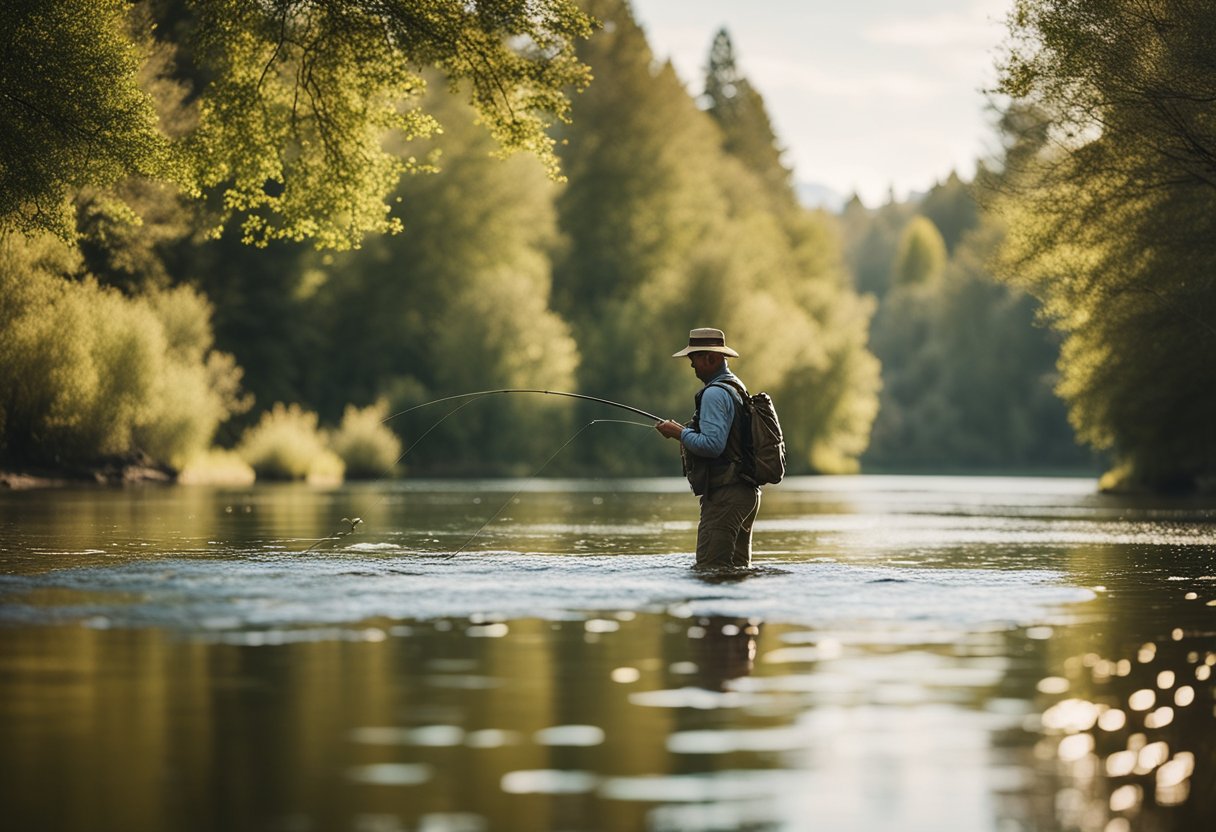
Choosing the right flies for specific fish species is crucial in fly fishing. Understanding the preferences of both trout and bass will enhance my fishing experience and increase my chances of a successful catch.
Best Flies for Trout Fishing
For trout fishing, I often rely on a selection of nymphs, streamers, and dry flies. Nymphs imitate the larvae of insects, making them essential during aquatic insect hatches. Popular choices include:
- Pheasant Tail Nymph: Effective in mimicking mayfly nymphs.
- Hare's Ear Nymph: Versatile for various water conditions.
When it comes to dry flies, I prefer:
- Adams Dry Fly: A classic that attracts both brown and rainbow trout.
- Elk Hair Caddis: Ideal during caddis hatches.
For streamers, I use patterns like the Zonker or Woolly Bugger to target larger fish in deeper waters.
Best Flies for Bass Fishing
In bass fishing, my go-to flies include poppers, deceivers, and bunny leeches.
- Poppers work best on the surface, creating a disturbance that triggers aggressive strikes.
- Deceivers are effective for imitating baitfish and can be fished at various depths.
Another excellent option is the Bunny Leech, which is streamlined for quick retrieves. I find that using bright colors, such as chartreuse or purple, helps attract bass, especially in murky waters. By adjusting my techniques according to conditions, I improve my chances of landing bass successfully.