


Fly Rod: A Comprehensive Guide to Choosing the Right Lightweight Options and Lengths for All-Around Fishing
Choosing the right fly rod can significantly enhance your fishing experience. A lightweight fly fishing rod can make all the difference in comfort and performance, allowing me to cast longer and more accurately. Understanding factors like rod length, action, and material will help me select the best option for my fishing needs.
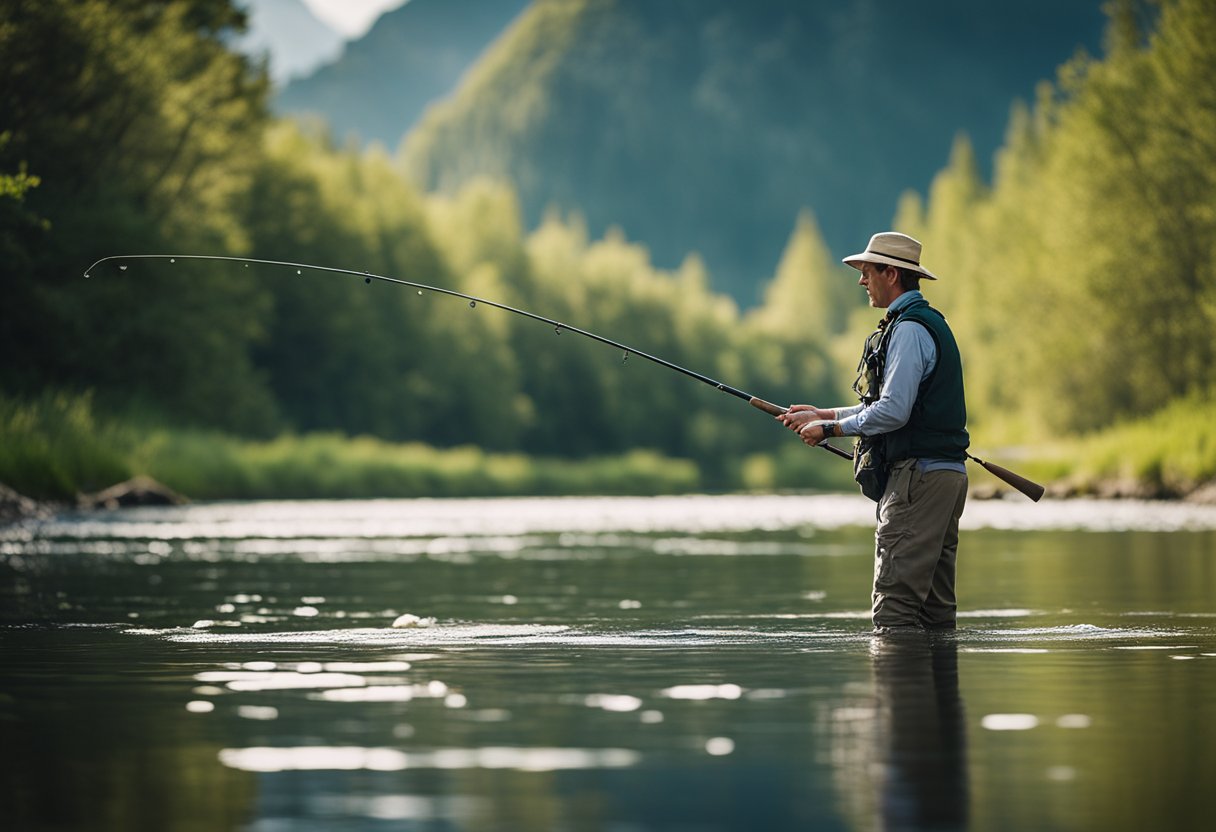
In my journey as an angler, I've discovered that the length of a fly rod directly influences my casting ability and control. A good length guides my technique and helps me navigate various fishing conditions. Distinguishing between fast action and slow action rods is crucial, as it determines how the rod behaves during casting and landings, ultimately affecting my success on the water.
When searching for the best all-around fly fishing rod, I prioritize versatility and ease of use. Rod design and material play essential roles in achieving a balance between strength and weight. With countless options on the market, I aim to find a rod that feels right for me while accommodating different fishing styles and environments.
Fundamentals of Fly Rods
Understanding fly rods involves key aspects such as rod action and materials. These factors greatly influence casting performance and the type of experience I can expect on the water.
Understanding Rod Action
Rod action determines how a fly rod behaves during casting and when fighting fish. It refers to how much of the rod flexes and at what point.
- Fast Action Rods: These bend primarily at the tip, providing quick response and distance. Ideal for longer casts and windy conditions.
- Medium Action Rods: These flex throughout the upper half, offering versatility for various casting techniques. They balance distance and control.
- Slow Action Rods: These flex more in the lower section, providing a softer feel. Great for delicate presentations and small flies.
Choosing the right action depends on my fishing style and target species. Each action type aligns with different techniques, enhancing my overall effectiveness.
Materials and Modulus
Fly rods are crafted from various materials, each influencing weight, durability, and performance. The most common materials are graphite, fiberglass, and bamboo.
- Graphite Rods: Lightweight and responsive, these rods offer high sensitivity and performance. The modulus of graphite affects stiffness and action; higher modulus means lighter and sturdier rods.
- Fiberglass Rods: Typically heavier and more forgiving, these rods excel in casting delicate flies. They are often a preferred choice for beginners due to their durability.
- Bamboo Rods: Renowned for their craftsmanship, bamboo rods provide a classic feel. They are valued for their aesthetic and smooth casting action but can be more fragile.
The choice of material significantly impacts my fly fishing experience, and understanding their properties helps me make informed decisions.
Selecting the Right Fly Fishing Rod
Choosing the appropriate fly fishing rod is crucial for enhancing your fishing experience. Factors such as rod length and action type significantly influence casting distance, accuracy, and presentation.
Choosing Rod Length
Rod length impacts casting distance and control, which varies depending on your fishing style. For small streams and spring creeks, I prefer shorter rods (6-8 feet). They offer better maneuverability in tight spaces.
Longer rods (9-10 feet) are ideal for large rivers or lakes, giving more reach and control. They work well for techniques requiring long casts or when fishing from a boat.
Here's a quick guide:
| Rod Length | Best For |
|---|---|
| 6-8 feet | Small streams and tight spaces |
| 9-10 feet | Large rivers, lakes, and boats |
Action Types and Their Uses
The action of a fly rod defines its flexibility and responsiveness, affecting casting techniques. I consider three main types: fast, medium, and slow action.
-
Fast Action Rods: These bend mostly at the tip. Their quick response is great for long casts and provides excellent accuracy. I find them effective in windy conditions.
-
Medium Action Rods: Offering a balance, they flex throughout the rod. This versatility suits various fishing styles, allowing for better fly presentation.
-
Slow Action Rods: These flex deeply, making them excellent for delicate presentations. I often use them when fishing with light lines on small streams.
Choosing the right action enhances my fishing success and enjoyment in various environments.
Optimal Fly Rod Features for Different Fish Species
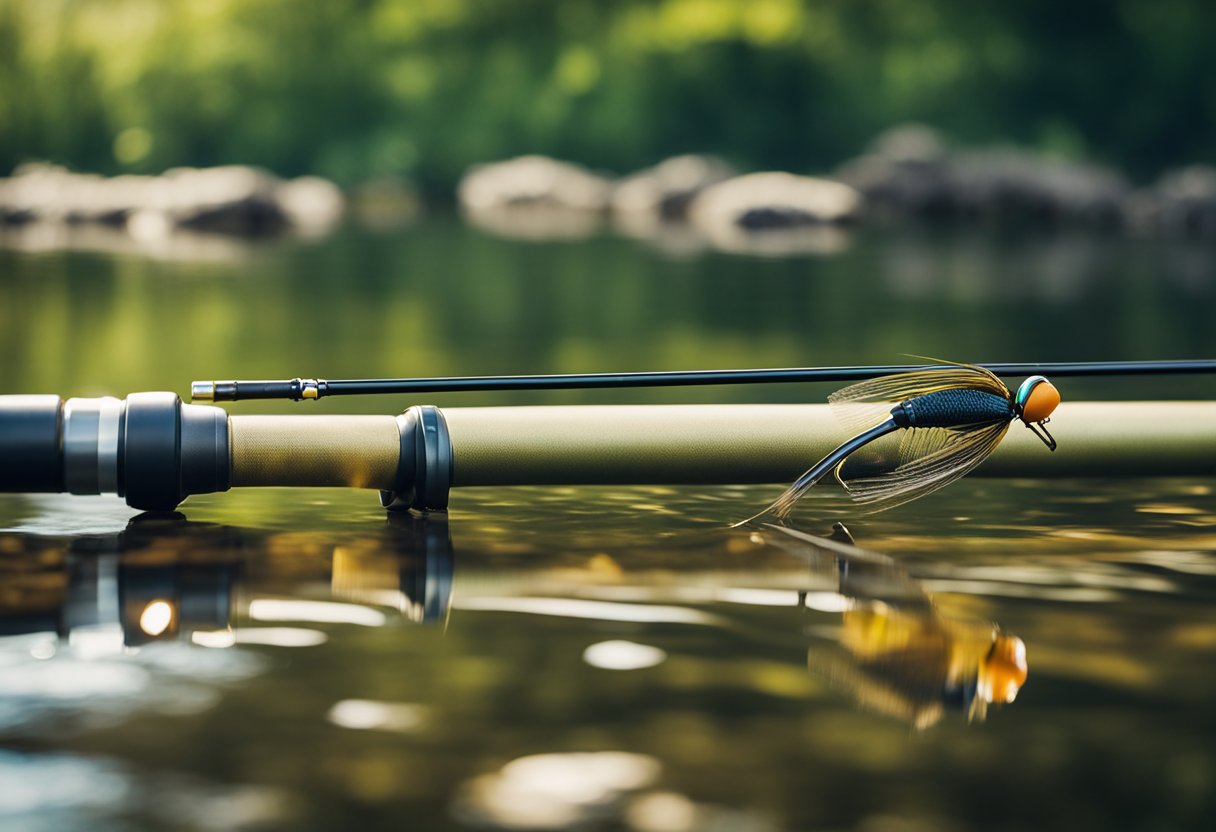
Understanding the specific features that enhance fly fishing for various species can significantly improve my success rate. Trout and bass require different rod characteristics for optimal performance.
Targeting Trout with Precision
When targeting trout, I focus on using a lightweight fly rod with a fast action design. This allows me to achieve greater accuracy and distance in my casts. Rod lengths between 8 to 9 feet are ideal for navigating both rivers and lakes.
I prefer a medium to medium-light weight rod, allowing for a delicate presentation of small flies. The right guides are crucial; they should be lightweight yet durable to support frequent casting. I find that a reel seat positioned comfortably aids in maintaining control during bites.
A well-designed rod with smooth ferrules ensures effortless transitions between sections, enhancing casting fluidity. By matching these specifications, I effectively target different trout species, including brook trout, ensuring a more successful fishing experience.
Versatility for Bass Fishing
For bass fishing, I use a medium-action fly rod that balances strength and flexibility. This allows me to handle the fight of a large fish while still achieving decent casting distance. A rod length of around 8 to 9 feet is also suitable for various fishing situations.
I often choose a sturdy reel seat to accommodate heavier reels, as bass can be aggressive fighters. With larger flies, the rod must support effective casting while offering enough backbone for hooking.
The guides must be robust to withstand potential abrasion from the bass’s powerful strikes. By selecting the right rod features, I maximize my versatility on the water, adapting smoothly to various bass fishing scenarios.