


Fly Fishing Line: A Guide to Choosing and Tying Your DIY Leader Knots
Selecting the right fly line and leader is crucial for successful fly fishing. Understanding the relationship between fly line, leader, and tippet can significantly improve your casting accuracy and fish hookup rates. In this post, I will share insights on choosing a fly fishing leader, which is essential for presenting your fly effectively.
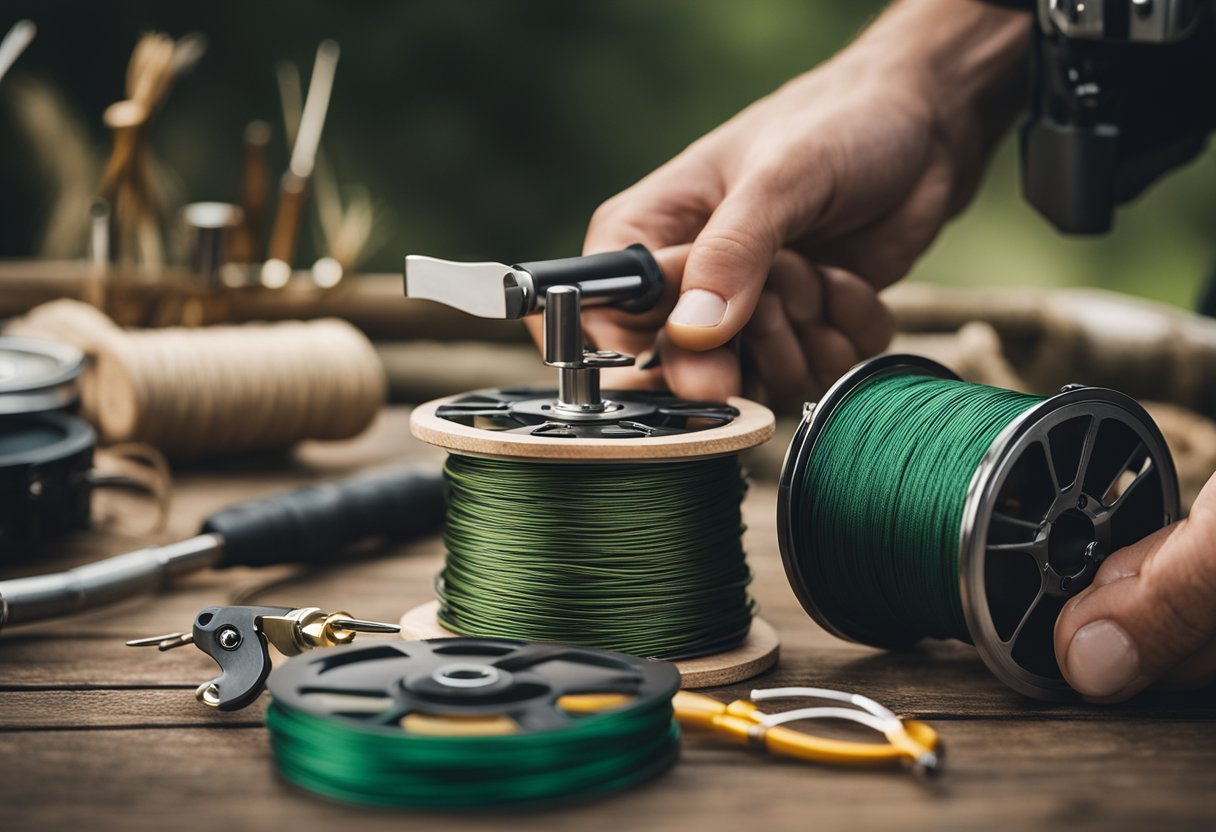
Creating your own DIY fly fishing leader can be a rewarding experience. It allows me to customize my setup for specific fishing conditions and targets. I will also discuss the various knots used for connecting leaders and tippet, ensuring that your connections are strong and reliable.
As I explore these topics, you’ll gain practical tips that will enhance your fly fishing experience. Whether you are a beginner or an experienced angler, knowing how to select and construct your leader setup will empower you on the water.
Fundamentals of Fly Lines and Leaders
Understanding fly lines and leaders is crucial for successful fly fishing. Choosing the right line and leader setup can significantly enhance presentation and catch rates.
Varieties of Fly Lines
Fly lines come in various types, each designed for specific fishing scenarios. The primary categories include:
- Floating Lines: Ideal for most situations, they allow for easy control and visibility on the water surface.
- Sinking Lines: These lines sink below the surface to target fish at different depths. They are useful in various water conditions.
- Intermediate Lines: These sink slowly, hovering between floating and sinking lines, perfect for fishing at mid-level depths.
Each line typically features a specific taper that affects casting and presentation. Weight Forward lines are popular for their ease of use, while Double Taper lines offer versatility for delicate presentations.
Understanding Leaders and Tippets
Leaders and tippets are vital for connecting the fly to the line. A leader is the length of line extending from the fly line to the fly. I choose tapered leaders for seamless transitions, as they help in achieving better drag-free drifts.
Tippets, attached to the leader's end, act as the final section before the fly. They can be made from materials like monofilament, fluorocarbon, or nylon. I prefer fluorocarbon for its low visibility underwater and added abrasion resistance.
Using the right length and strength for both leaders and tippets can significantly influence my fly presentation and hook-up success.
Fly Fishing Leader Mechanics
Understanding the mechanics of fly fishing leaders is crucial for successful casting and presentation. I will discuss how to choose the right leader, the effects of leader length on casting, and the differences between monofilament and fluorocarbon materials.
Choosing the Right Leader
When I choose a fly fishing leader, I consider both the fly size and the water conditions. The leader should be a perfect match for the tippet diameter, allowing for precise presentations. Some anglers prefer a heavier leader for larger flies, while lighter leaders work best with smaller patterns.
A typical leader might consist of a tapered section that transitions to a finer tippet. I aim for a leader length that balances visibility and strength while minimizing spooking fish.
Leader Length and Its Effect on Casting
Leader length can significantly impact my casting performance and accuracy. Shorter leaders (around 7.5 to 9 feet) generally provide increased control, which benefits precise casting in confined spaces. Conversely, longer leaders (up to 12 feet) improve presentation, especially in clear water and when targeting spooky fish.
Additionally, longer leaders can enhance line turnover and reduce drag. I find that experimenting with various lengths helps me identify the ideal arrangement based on conditions.
Differences Between Monofilament and Fluorocarbon
Monofilament and fluorocarbon are the two primary materials I consider for leaders. Monofilament is versatile and buoyant, making it suitable for surface presentations. It tends to be more visible in water, which can be problematic in clear conditions.
Fluorocarbon, on the other hand, is nearly invisible underwater due to its refractive index. It sinks faster, which is advantageous for nymphing and streamer fishing. The downside is that fluorocarbon can be less flexible than monofilament, potentially affecting casting and presentation. My choice often depends on specific water conditions and targeted species.
Knots and Connections
Understanding the right knots and connections is essential for a successful fly fishing experience. Proper connections ensure optimal performance and reduce the risk of line failure.
Essential Fly Fishing Knots
There are several critical knots that I rely on for fly fishing. The Blood Knot is ideal for joining two pieces of line, especially when working with tippet and leader. It's easy to tie and very strong.
The Clinch Knot is perfect for attaching the fly to the tippet. This knot allows for a clean presentation and is straightforward to tie.
I also use the Double Uni Knot for its flexibility in connecting different line types. It provides a strong, smooth joint that can handle various friction points.
Connecting Leader to Fly Line
For connecting the leader to the fly line, the Nail Knot is my go-to choice. It creates a streamlined connection that is essential for casting accuracy. This knot uses the fly line to grip the leader line securely.
The Loop-to-Loop Connection is another effective method. This connection allows for quick changes to leaders or fly lines, making it efficient for varying conditions. Additionally, I often incorporate a Tippet Ring for more versatility, enabling easy attachment of tippet without knot ties.
Advanced Loop Connections
Advanced loop connections, like the Perfection Loop, are vital for forming strong loops at the end of lines. This knot is excellent for attaching flies or for making connections that need to withstand significant force during fishing.
I often use a Surgeon's Knot for attaching new sections of leader material or for creating loops in my furled leaders. This knot is simple yet secure.
Each connection I make is intentional, enhancing my overall performance on the water. Understanding these knots and their applications is crucial for successful fly fishing.
DIY and Customization of Fly Fishing Leaders
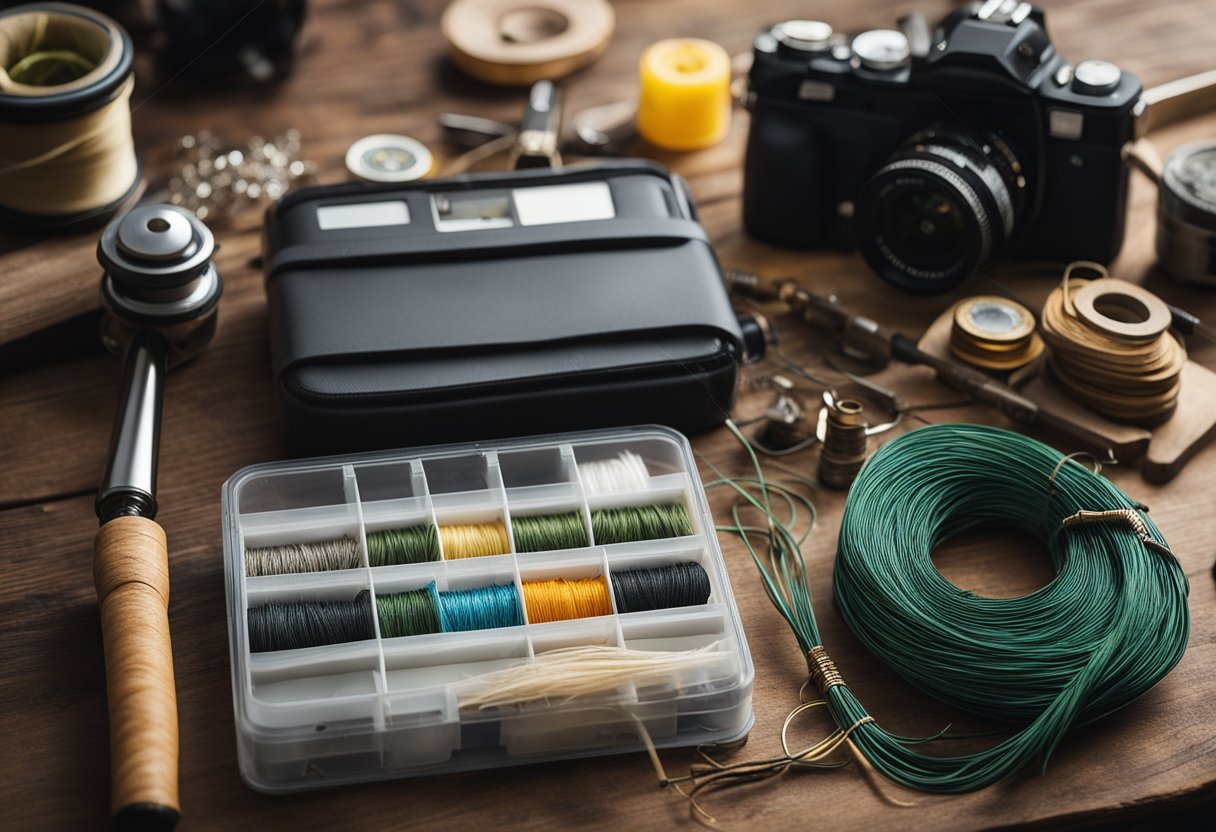
Crafting my own fly fishing leaders allows me to tailor my gear to specific fishing scenarios. I find this approach enhances my chances of success on the water. Here’s how I create custom leaders and take care of them.
Crafting Your Own Leaders
To make a DIY fly fishing leader, I typically start with a tapered leader, which offers an ideal balance of strength and flexibility. I choose a base material, such as monofilament or fluorocarbon, based on my fishing conditions.
I cut the leader to my desired length, usually between 7.5 to 9 feet for trout fishing. Next, I tie sections of tippet material in varying strengths to the butt end, with size 12 flies in mind for light presentations.
Using a blood knot or surgeon's knot, I connect the tippet to the leader. This two-line connection ensures a seamless transition in diameter, allowing my flies to land softly on the water.
Tailoring Leaders for Specific Conditions
For dry fly fishing, I prioritize lighter tippet materials. I often use 5X or 6X tippet to ensure my flies float and present naturally. This choice helps in enticing wary trout that scrutinize every detail.
In windy conditions, I may opt for a heavier tippet. Adjusting the leader to 3X or 4X can reduce the chances of snap-offs during casting. Also, using longer leaders helps with drag and presentation.
During hatch seasons, matching the leader to the hatch size is crucial. I adjust my leader’s taper and tippet length to mimic the size and action of natural insects effectively.
Maintenance and Storage of Leaders
Maintaining my fly fishing leaders is essential for performance and longevity. After each fishing trip, I rinse my leaders in fresh water to remove dirt and salt. I make sure to inspect for any nicks or abrasions in the material, as these can weaken the leader.
When storing, I keep leaders coiled loosely in a dedicated box to prevent kinks. Avoiding tight storage helps retain the leader's shape. Finally, I label my leaders with details, such as length and tippet size, for quick access during future trips.