

Fly Line Weight: Essential Guide for Tropical Fishing and Heavy Cover Casting
Selecting the right fly line weight is crucial for success in various fishing conditions. For tropical fishing, a heavier fly line, typically in the range of 8 to 10 weight, is advisable to handle the large species found in warm waters. Choosing the appropriate weight ensures better casting accuracy and the ability to present flies effectively to fish in diverse environments.
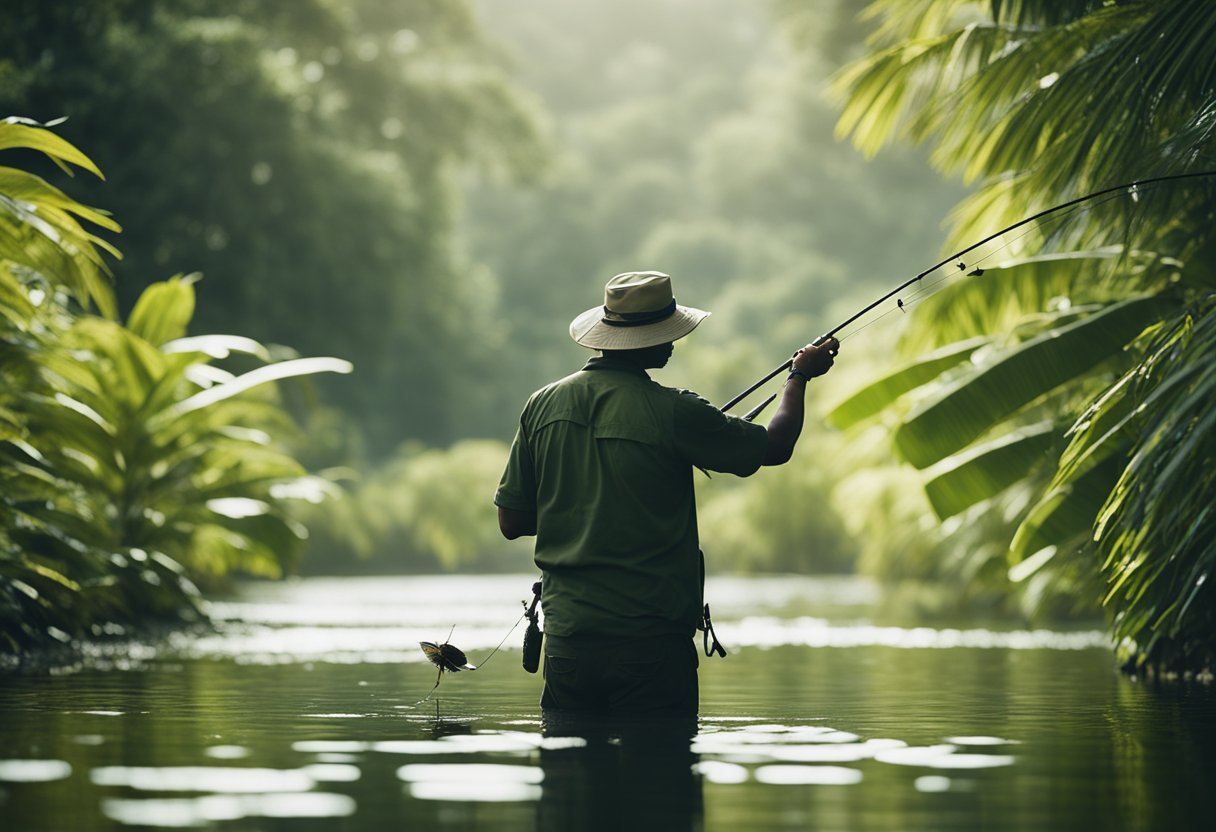
When fishing in heavy cover, I prefer a fly line that can penetrate the dense vegetation while maintaining control over my casts. For this scenario, a shorter, heavier line enables me to accurately place my fly where it's needed most without getting snagged. Effective line selection allows me to navigate challenging spots and target species that thrive among obstacles.
For long casts, I rely on a lighter, floating fly line that aids in achieving greater distance and precision. A weight of 4 to 6 allows for smooth delivery and proper line management, which is essential for reaching fish that are often further away. Understanding how to match the fly line weight to specific fishing conditions can dramatically improve my overall success on the water.
Fly Line Fundamentals

Understanding the construction and characteristics of fly lines is crucial for effective fly fishing. Choosing the right line type, taper, and weight can significantly enhance your fishing experience.
Understanding Fly Line Construction
Fly lines are composed of several key components that affect performance. The core provides strength and flexibility, while the outer coating influences casting distance and durability.
The taper is critical, dictating how the line performs. Different sections include:
- Front Taper: Eases turnover and presentation.
- Belly: Carries the majority of the weight.
- Rear Taper: Aids in smooth casting.
Some lines also feature welded loops at each end for easy connection to leaders. The use of dry-slick technology enhances line slickness, improving shooting capabilities. Understanding these components ensures I select the best line for my fishing conditions.
Selecting the Right Weight Forward Lines
I choose weight forward lines for their versatility, particularly in varied conditions. The weight of the line should match the specific species I’m targeting. The taper design helps in casting longer distances and offers better accuracy.
For heavy cover, I prefer lines with a robust core that can handle abrasion. Conversely, for tropical fishing, I look for lines designed to handle warmer conditions and saltwater. The level line can be useful for precise presentations in specific scenarios.
When selecting a line, I consider its intended use, ensuring I pick one that aligns with my fishing style and environment.
Fly Line Weight Selection for Different Environments
Choosing the correct fly line weight is crucial for fishing success in various environments. Each setting—tropical waters or heavy cover—requires specific considerations to optimize performance.
Tropical Fishing Considerations
When targeting species like bonefish, tarpon, and permit, I prefer using a line like the Amplitude Tropical Titan. This line is designed for saltwater conditions, allowing for long casts and quick loading.
The ideal weight often falls between 8 to 10-weight, depending on the species and conditions. A heavier line helps cast larger flies into the wind while maintaining sensitivity.
For warm tropical environments, I also trust lines with a tropi-core feature, which prevents stiffening in heat. Choosing a weight that balances the fly’s size and the environmental factors ensures that I maintain proper presentation and control.
Heavy Cover Challenges
Fishing in heavy cover like mangroves or dense weed beds requires a different approach. Here, I usually opt for a 10 to 12-weight line to effectively cast larger flies and withstand the resistance of the cover.
Using a heavier line not only improves casting distance but also increases my ability to pull fish from structure. The AST Plus coating on lines enhances durability against abrasion.
I focus on using shorter casts with accurate placements when fishing in such conditions. Understanding the weight required helps me adapt to various challenges posed by heavy structure while maximizing my chances of landing species in these locales.
Specialized Techniques and Equipment
In fly fishing, mastering specific techniques and using the right equipment can significantly enhance your success rate. Key elements like line weight and casting strategies are crucial when targeting different species or aiming for long casts.
Mastering Long Casts in Fly Fishing
To achieve long casts, I focus on selecting the right fly line weight. For tropical fishing targeting species like trevally or snapper, a heavier line helps to control large flies effectively. A weight-forward line design allows for enhanced loading during the backcast, improving distance.
Casting Tips:
- Use a smooth, accelerated motion.
- Keep your rod tip high during the cast for better line control.
- Practice double-hauling to gain additional speed and distance.
Understanding wind conditions and water currents is vital. I often adjust my casting angle to compensate for these factors. Using poppers or streamers can help optimize success when targeting aggressive feeders like bass or pike.
Targeting Specific Species
Selecting the appropriate setup is crucial when targeting different fish species. For example, trout fishing often requires lighter line weights and finesse techniques. Conversely, when aiming for larger species like steelhead, a heavier setup provides better control and strength during the fight.
Key Species Considerations:
- Trout: Use a 4-5 weight line with dry flies or small nymphs.
- Bass and Pike: Opt for 6-8 weight lines, focusing on streamers or poppers.
- Saltwater Species: For trevally or snapper, a robust 8-10 weight line is essential, accommodating larger flies and strong currents.
Adjusting my tackle according to target species improves my effectiveness on the water. Each fish's feeding behavior influences my fly selection and casting techniques.