


Fly Line: A Guide to Floating Fly Line Leader Setup and Top Brands for Saltwater Fishing
In the world of fly fishing, selecting the right fly line can significantly impact your success on the water. For saltwater fishing, a top choice is the floating fly line, which provides the necessary buoyancy to keep your flies visible and enticing to fish. Understanding how to set up the floating fly line with an appropriate leader is essential for optimal performance during your fishing trips.
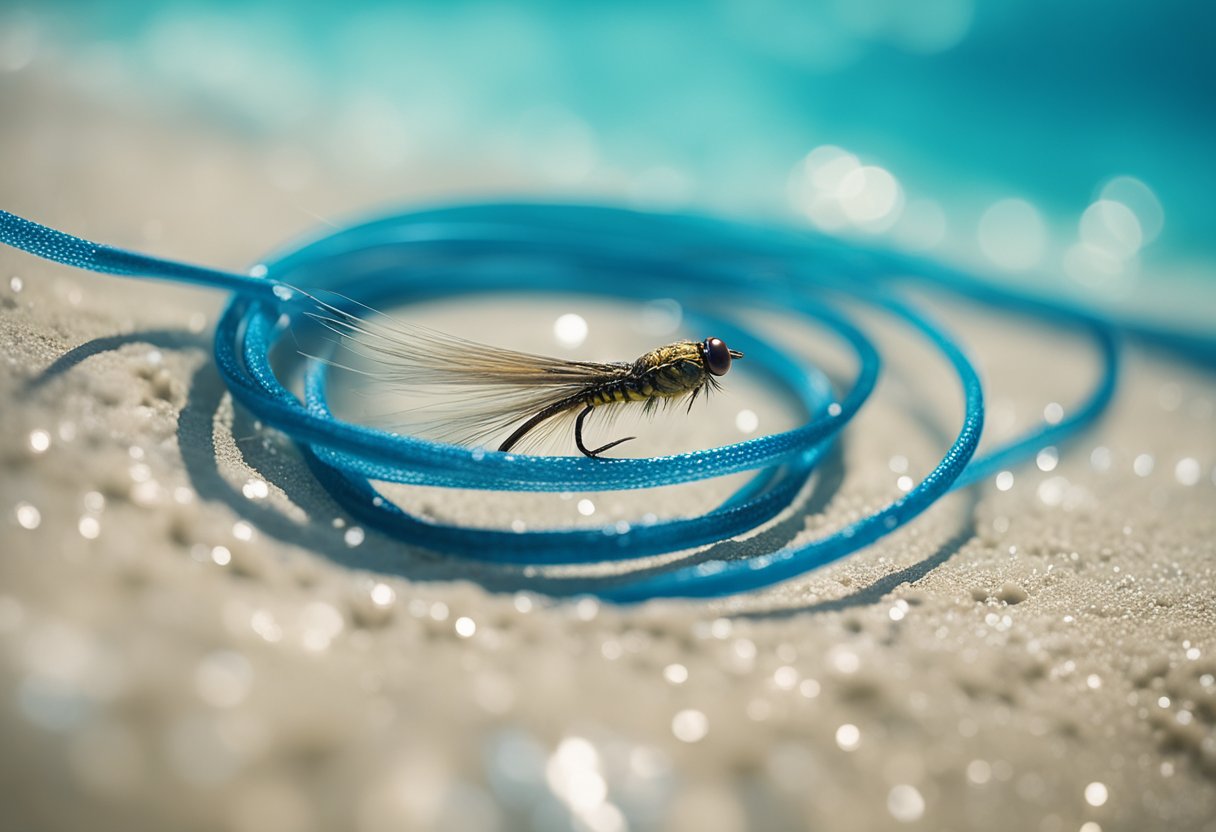
I've encountered various brands offering floating fly lines, each with its unique features and advantages. Some of my go-to brands include Scientific Anglers, Rio, and Airflo, which have earned recognition for their quality and reliability in challenging saltwater conditions. By selecting the right line, I’ve enjoyed more productive outings and improved my chances of landing those elusive saltwater species.
Setting up a floating fly line leader system involves careful consideration of both the line weight and the length of the leader. A well-balanced setup allows for better presentation and control, making it easier to target specific species. With the right knowledge and equipment, I'm confident you will enhance your fly fishing experience significantly.
Understanding Fly Lines
Fly lines play a crucial role in the effectiveness of fly fishing. The choice of line can greatly impact casting distance, accuracy, and the ability to present flies appropriately. I will explore the fundamentals of fly lines along with the different taper types to help you make informed decisions.
Fly Line Fundamentals
When selecting a fly line, it’s essential to understand its components. Fly lines generally consist of three parts: the running line, the core, and the coating. The running line is the thin section that allows for casting and managing slack. The core influences the line's flexibility and strength, while the coating affects the line’s durability and performance.
There are several types of fly lines including floating lines, sinking lines, and sink tip lines. A floating line stays on the water’s surface, while sinking lines will help get your flies deeper in the water column. Sinking fly lines are particularly useful for targeting fish at different depths.
Choosing the right line weight is also important. Line weights generally range from 1 to 15, depending on the species targeted. A proper match between rod, reel, and line weight ensures optimal performance while fishing.
Fly Line Taper Types
The taper of a fly line defines how it behaves during casting and presentation. There are three main types of tapers: double taper, weight forward, and level taper.
-
Double Taper: This type features a thick belly in the center and tapers down toward both ends. It provides excellent roll casting capabilities and is ideal for delicate presentations.
-
Weight Forward: This taper has the majority of its weight at the front, allowing for increased distance and better control. It’s versatile and great for various fishing conditions.
-
Level Taper: This line maintains a uniform diameter throughout its length. It’s not typically used for specialized techniques but can be suitable for beginners.
Understanding these taper types helps me select the right line for my fishing style and conditions. Each taper has its strengths, allowing for varied applications depending on the fishing scenario.
Selecting a Floating Fly Line for Saltwater
When targeting saltwater species like tarpon and bonefish, choosing the right floating fly line is crucial. The right line enhances precision and durability while matching the appropriate line weight and rod weight. Here are the essential details to consider.
Best Floating Fly Lines for Saltwater
In my experience, several brands stand out for their performance in saltwater environments. Some of the top choices include:
-
Scientific Anglers Amplitude Series: Known for its exceptional slickness and durability, this line handles saltwater conditions well.
-
Rio Coastal Fluoroflex: Offers a high degree of sensitivity, making it ideal for detecting subtle takes.
-
Airflo Ridge Clear: The unique ridge design reduces drag and allows for a smoother cast.
Selecting any of these lines can enhance my effectiveness when targeting tough species.
Factors Affecting Fly Line Performance
Several factors come into play when selecting a floating fly line for saltwater. Key considerations include:
-
Line Weight: It’s essential to match the line weight to the rod weight for optimum performance. For example, if I am using an 8-weight rod, a corresponding 8-weight line will improve accuracy.
-
Durability: Saltwater can be harsh on gear. I look for lines that resist abrasion and UV damage, ensuring longevity.
-
Casting Distance: A well-designed floating line aids in achieving greater casting distance, particularly important for species that roam vast areas.
Floating Line Innovations
Recent innovations have greatly improved floating fly lines. Some noteworthy advancements I've encountered include:
-
Slick Technologies: Many brands now utilize advanced coatings that enhance casting distance and reduce memory in the line. This improves handling in warmer saltwater conditions.
-
Integrated Shooting Technology: Some lines feature integrated shooting cores that provide better stability and distance.
-
Taper Design: New tapers can enhance presentation precision, especially when targeting wary species.
These innovations allow me to fish more effectively and increase my chances of success in saltwater environments.
Leader Setup for Floating Fly Lines
To achieve effective presentations when using floating fly lines, a well-constructed leader setup is essential. The leader not only connects the line to the fly but also influences casting precision and presentation.
Attaching the Leader to Fly Line
I prefer using a simple yet effective knot for attaching the leader to my floating fly line. A popular choice is the loop-to-loop connection. This method allows for easy adjustments and quick changes of leaders without damaging the main line.
- Create a loop at the end of your leader.
- Thread the loop through the fly line's loop.
- Pass the leader through itself to secure the connection.
Testing this connection before a fishing trip is important. I check for knots that are snug and smooth to avoid snags during casting. A solid attachment ensures that the leader will perform without issues during a delicate presentation.
Leader Characteristics for Optimal Casting
Selecting the right leader for my floating fly line significantly influences my casting performance. Generally, I look for leaders with the following characteristics:
- Length: A leader of 9 to 12 feet suits most floating line applications, providing balance and control.
- Taper: A progressive taper assists in transferring energy to the fly, enabling delicate presentations.
- Material: Monofilament is my go-to due to its buoyancy and flexibility, although fluorocarbon offers better invisibility under water.
When casting, I focus on maintaining a relaxed wrist and smooth motions. This technique coupled with a well-chosen leader enhances precision, making it easier to deliver the fly exactly where needed.
Top Floating Fly Line Brands
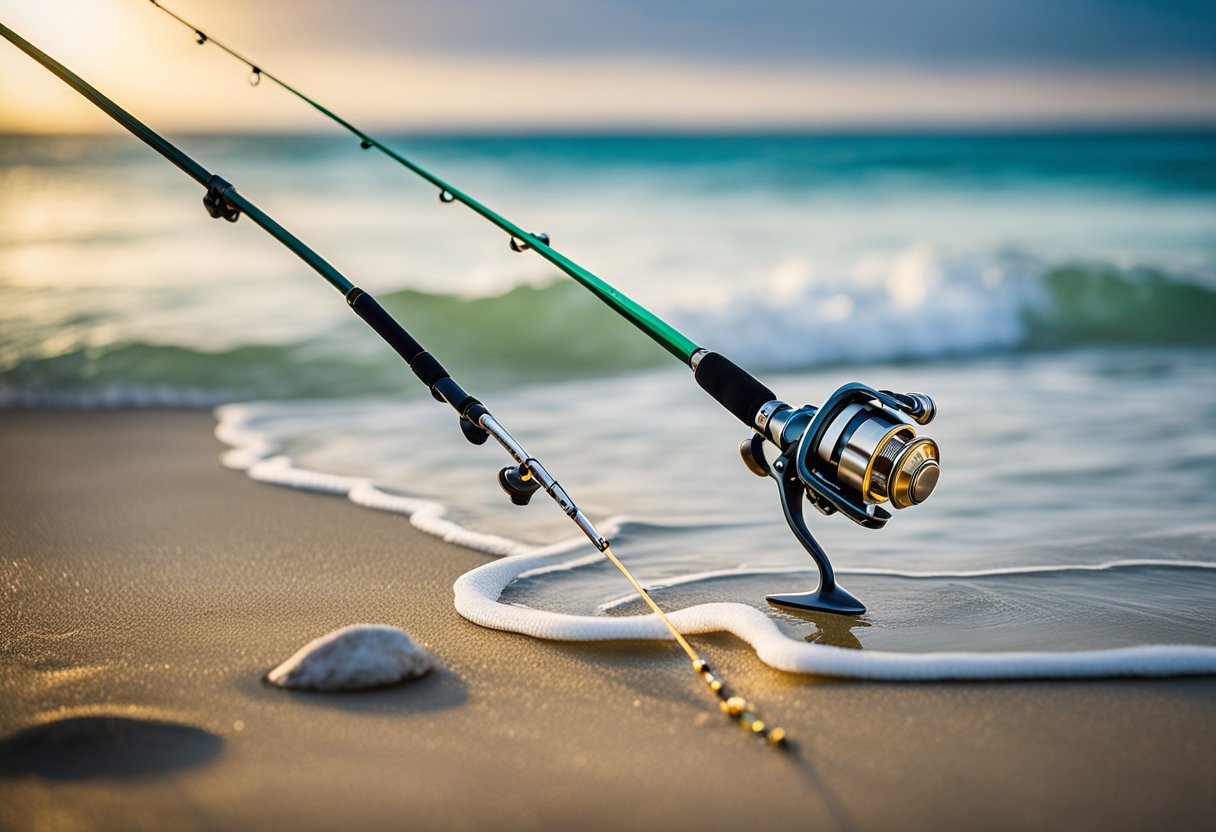
When selecting a floating fly line, various brands offer unique features tailored for performance in different environments. Here are some prominent brands that stand out in the market.
Rio Fly Lines
Rio is known for its innovative fly lines designed for versatility and performance. The Rio Outbound Short is particularly popular among saltwater anglers. Its taper design enables quick loading, making it effective for both distance casting and short-range presentations.
Additionally, the AST Plus technology enhances slickness, allowing the line to shoot smoothly through the guides. Rio’s lines often have a braided multifilament core, which offers excellent strength and flexibility in varying temperatures. For those using clear intermediate tips, Rio provides options that help keep the fly at the optimal depth.
Scientific Anglers
Scientific Anglers stands out for its commitment to technology in fly line design. Their Amplitude Series features lines that utilize AST technology to repel dirt and water, ensuring durability and performance.
The lines are specifically crafted for different fishing scenarios, including saltwater applications. Their packaging often indicates which line is suitable for specific conditions, making them user-friendly for anglers of all levels. Options like the Clear Tip are preferred for stealth in clear waters, allowing for a more natural presentation of the fly.
Orvis Fly Lines
Orvis is another respected name in the fly fishing industry, known for quality and reliability. Their floating fly lines are designed to cater to diverse fishing conditions. The Hydros series is particularly noted for its advanced sinking and floating capabilities, which enhances versatility during fishing outings.
I find the Orvis Clear Intermediate Tip offers great stealth in clear waters, allowing me to fish effectively in varying depths. Orvis lines typically include a braided multifilament core for improved sensitivity and strong casting performance, which makes them ideal for both freshwater and saltwater scenarios.