



Fly Reel: Essential Setup and Maintenance for Optimal Performance
Selecting the right fly reel is crucial for an enjoyable and effective fishing experience. A well-chosen fly reel enhances performance, making it easier to control your line and manage fish on the hook. Whether you're new to fly fishing or looking to upgrade your gear, understanding the nuances of fly reel setup is essential.
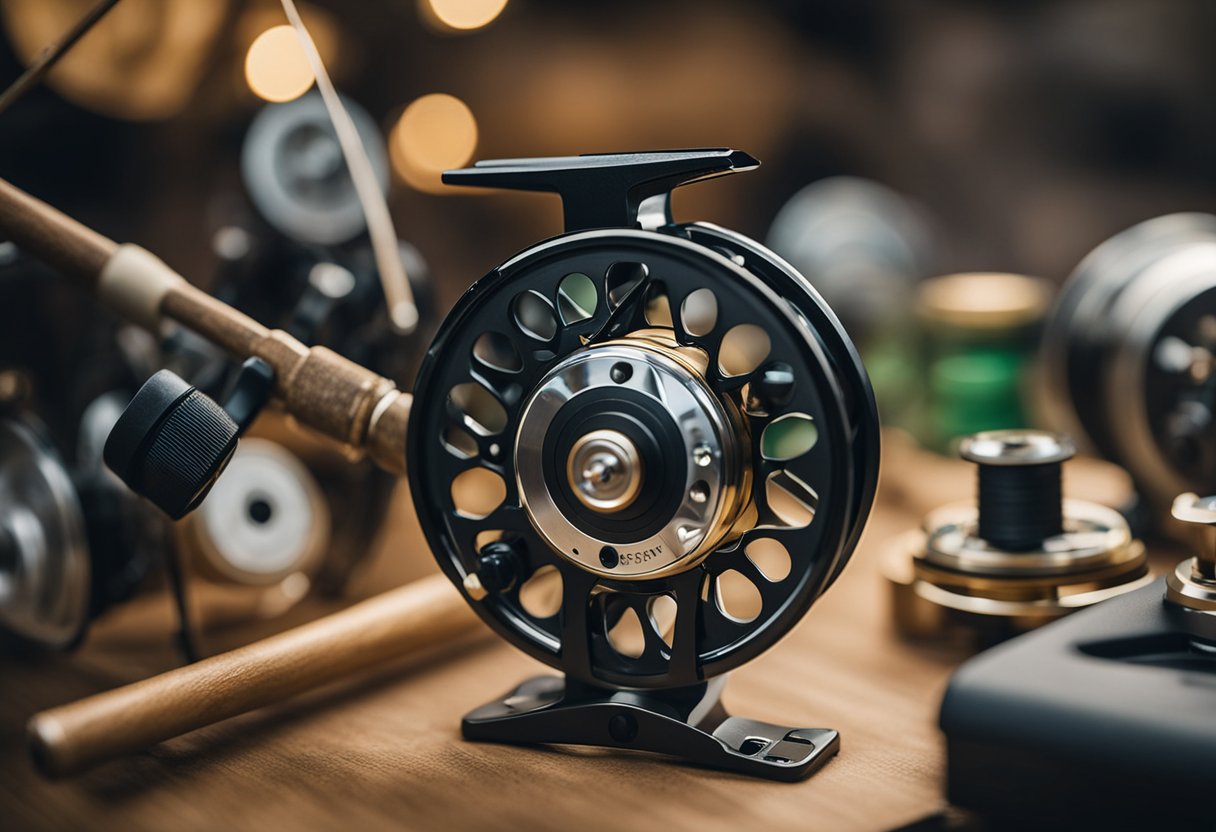
Maintaining your fly reel will not only extend its lifespan but also ensure smoother operation during your fishing trips. Regular cleaning and lubrication are vital for the drag system's effectiveness. Large arbor fly reels are particularly advantageous, as they allow for quicker line retrieval and reduce line memory, especially beneficial when battling active fish.
By knowing how to properly set up and maintain your fly reel, you can significantly improve your fishing success. The combination of a well-maintained reel and a reliable drag system makes all the difference when it comes to landing your catch.
Fly Fishing Reel Essentials
Understanding the mechanics and components of a fly reel is crucial for successful fly fishing. Selecting the right reel also plays a significant role in performance on the water.
Understanding the Fly Reel Mechanics
Fly reels function primarily as line storage and retrieval devices. Their mechanics involve a spool, which holds the fly line, and a drag system that controls the tension on the line. A responsive drag system is essential for managing line resistance when fighting a fish.
The fly reel’s operation is straightforward. As a fish pulls, the drag applies pressure to slow it down. It’s vital to ensure the drag system is smooth and adjustable, as this can prevent line breakage. In many cases, a lightweight design enhances ease of use during prolonged fishing sessions.
Selecting the Right Fly Reel
Choosing a fly reel involves considering several factors including the type of fishing, the species targeted, and personal preference. I often prioritize durability and corrosion resistance, especially when fishing in saltwater. A reel made from high-quality materials like aluminum achieves these traits effectively.
Consider the arbor size as well. A large arbor fly reel offers quicker line retrieval, which is beneficial when a fish makes a sudden run. Balancing the reel’s weight with the rod is also important for maintaining comfort during use.
Components of a Fly Reel
Key components of a fly reel include the spool, drag system, and housing. The spool holds the line and varies in size. A larger spool facilitates faster line retrieval and reduces line memory.
The drag system, either palm or disc, allows me to adjust tension based on my needs. Disc drags generally provide smoother performance compared to palm drags.
The reel housing protects internal components and often incorporates features that enhance corrosion resistance. A quality fly reel will combine these elements to provide a seamless fishing experience, ensuring reliability in various conditions.
Fly Fishing Reel Setup and Use
Properly setting up a fly fishing reel is crucial for an effective fishing experience. Each step involves attention to detail to ensure optimal performance out on the water, from assembling the reel to balancing it with the rod.
Assembling the Fly Reel
To begin, I start by assembling the fly reel, which typically consists of the main body, spool, and drag knob. Align the spool with the body and ensure it fits securely by turning the spool in a clockwise direction.
Check for engagement by pulling the spool slightly; it should not detach. Next, I tighten any screws or clamps that secure the spool to prevent it from loosening during use. It’s vital to keep the drag knob in the "off" position while assembling, which allows for smooth line retrieval initially.
Attaching the Reel to the Rod
Once the reel is assembled, I attach it to the fly rod. I slide the reel seat up towards the end of the rod. Securing the reel involves adjusting the sliding band or locking mechanism based on the rod type.
It's best to ensure that the reel sits firmly in the seat to avoid any shifting during casting. I check that the rod is properly oriented, with the reel positioned below the rod handle, allowing for better control and balance. A snug fit will enhance my comfort while fishing.
Spooling Line onto the Reel
Now, it's time to spool the line onto the reel. I first grab my fly line and backing; the backing is essential to provide strength and resilience. I lay down the backing on the spool, tying it securely.
It's important to wind the backing uniformly to avoid tangles. Next, I splice or tie the fly line onto the backing, using a clinch knot for reliability. As I spool the line, I keep tension to ensure even distribution. Depending on the capacity, I often check the amount of line added to prevent overloading.
Balancing the Reel and Rod
A well-balanced setup can significantly enhance my casting efficiency. To achieve this, I hold the rod lightly at its balance point, usually near the grip. The reel should add just the right amount of weight to keep the rod tip slightly elevated.
Adjusting the reel position can help find this balance. I test the alignment by casting with different weights to see how the setup handles. A balanced rod and reel prevent fatigue during long sessions, improving my performance as an angler.
Maintaining Your Fly Reel
Proper maintenance of your fly reel is crucial for optimal performance and longevity. By following a few key procedures, I can ensure that my reel remains in excellent condition and ready for my next fishing trip.
Routine Maintenance Procedures
I make it a habit to inspect my fly reel regularly. This includes checking for any signs of wear or damage, especially around the drag system and spool. I always ensure that the line is correctly wound, with no knots or tangles, as this helps prevent issues when casting.
Additionally, I examine the reel seat and connection points to ensure everything is tight. If I notice any rust or corrosion, I take immediate action to clean those areas. Developing a routine minimizes wear and keeps my reel performing optimally.
Cleaning and Lubrication
Cleaning my fly reel involves both a thorough wash and appropriate lubrication. After each fishing trip, I rinse the reel with fresh water to remove dirt and salt. I use a soft cloth to wipe it down, paying close attention to any nooks and crannies.
For lubrication, I choose high-quality, waterproof grease for the drag system. I apply a small amount to the moving parts to keep them functioning smoothly. I check the manufacturer's recommendations for specific types of lubricants, ensuring I maintain their warranty and achieve maximum performance.
Long-Term Storage Solutions
When storing my fly reel for an extended period, I follow specific steps to maintain its condition. I first clean the reel thoroughly, ensuring that no salt or debris remains.
Next, I store the reel in a cool, dry place, away from direct sunlight. I avoid placing the reel in its case immediately, as trapped moisture can lead to corrosion. Instead, I let it air dry completely before putting it away. This helps prolong its life and ensures that it is ready for my next fishing adventure.
Advanced Features in Fly Reels
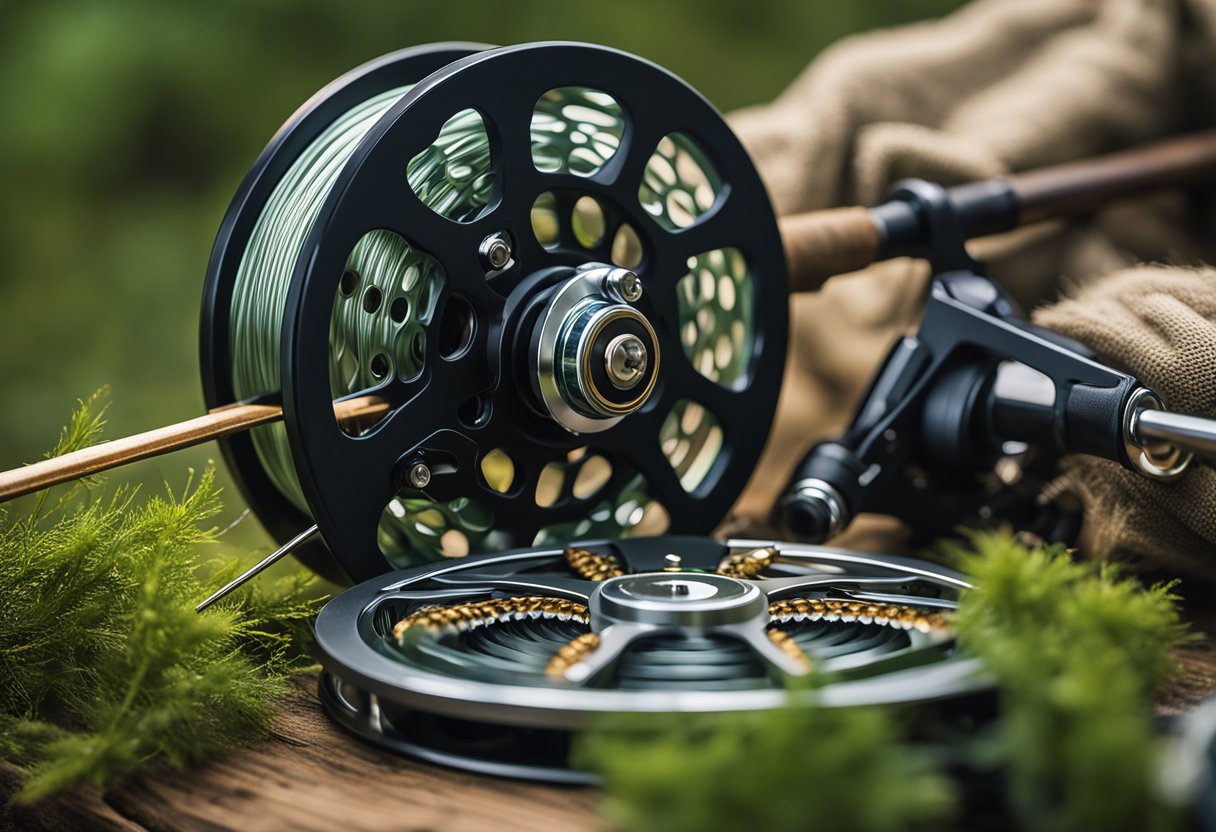
In my experience, the advanced features in fly reels can significantly enhance the fishing experience. Understanding these features allows me to make informed choices based on the fishing conditions and target species.
The Role of Large Arbor in Fly Reels
The large arbor design of a fly reel is pivotal for efficiency. Larger spools allow for faster line retrieval, which can be critical when reeling in fast-moving fish like large trout or bass. This design reduces line twist and enhances overall casting performance.
The increased diameter also provides better line management. A large arbor helps maintain the line's integrity by minimizing memory, especially when using fluorocarbon or specialty lines. With a larger reel, I can fish effectively in saltwater environments where quick line retrieval can be essential.
Benefits of a Sealed Disc Drag System
The sealed disc drag system offers multiple advantages for any fly angler. This system utilizes a series of discs that maintain consistent pressure on the line during a fight. It helps ensure that when I hook a fish, the drag operates smoothly, preventing break-offs from sudden runs.
Additionally, a sealed drag system protects internal components from moisture and debris. This is especially valuable in challenging environments, such as coastal regions or muddy riverbanks. Materials like 6061-T6 aluminum enhance durability, ensuring the reel withstands tough conditions while providing reliable performance.
Choosing Reels for Specific Fish Species
When selecting a fly reel, I consider the species I aim to catch. For instance, targeting large trout may require a medium-weight reel with a robust drag system to manage their powerful runs. Meanwhile, for bass or carp, I often opt for reels that provide quick line retrieval and durability.
In saltwater settings, I prioritize reels made from corrosion-resistant materials. A larger fly reel is essential for handling the weight and resistance of saltwater species. Understanding these specifics helps me select the right gear for a successful fishing trip.