


Fly Line Essentials: Choosing the Best Floating Fly Line for Saltwater Fishing
When it comes to fly fishing, choosing the right line can make all the difference in your success on the water. I often rely on floating fly lines, especially for saltwater applications, as they allow for better control and presentation of flies on the surface. The best floating fly line for saltwater balances buoyancy and durability, ensuring it withstands harsh conditions while providing excellent performance.
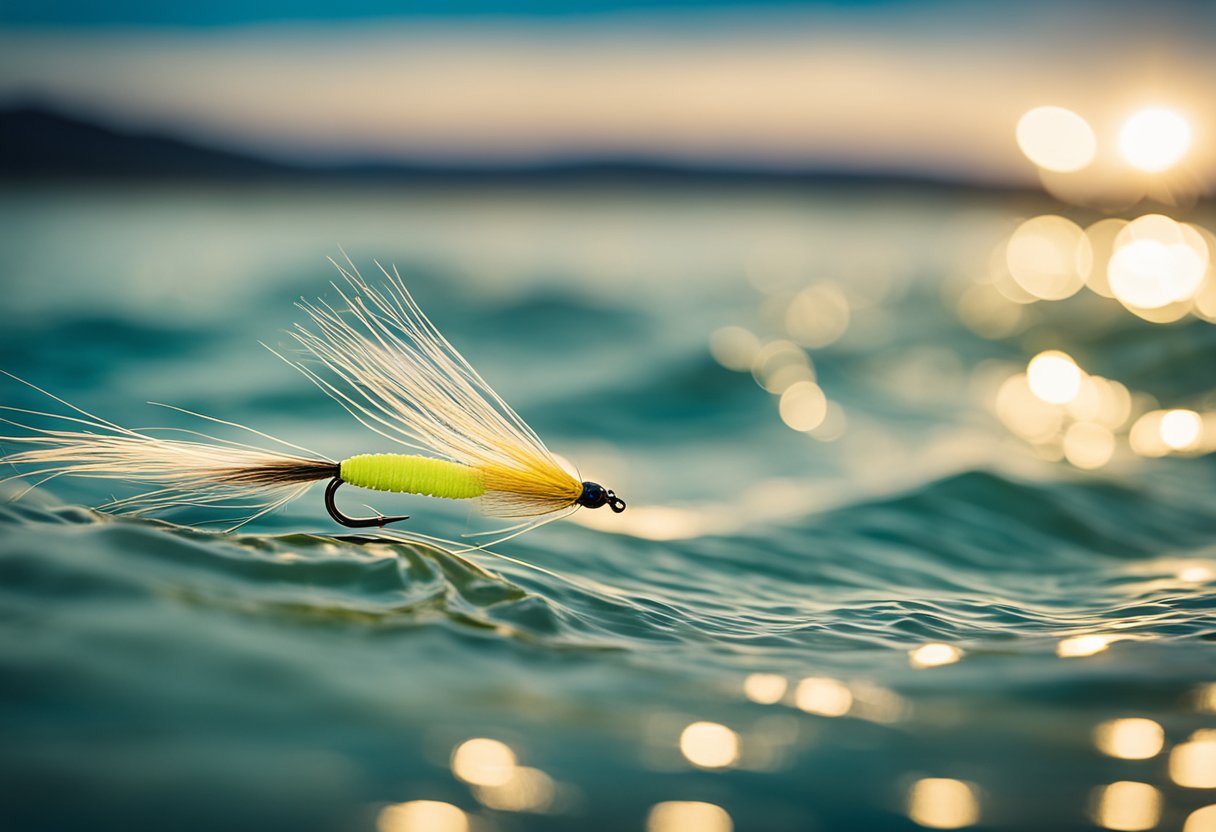
In my experience, a well-set-up floating fly line leader will enhance your casting and improve your chances of enticing fish. The leader should be tailored to the type of fishing I intend to do, whether it's targeting aggressive surface feeders or working deeper waters. There are several reputable brands in the market, each offering specific attributes suited for various environments.
Investing in a quality floating fly line is essential for any angler serious about their craft. From premium brands known for their performance in challenging conditions to budget-friendly options, finding the right line can elevate your fly fishing experiences. With the right setup, you're not just prepared; you're equipped to make the most of every casting opportunity.
Fly Line Fundamentals
Understanding fly lines is crucial for successful fly fishing. Different types serve varied purposes, and knowing their characteristics can greatly enhance my performance on the water.
Types of Fly Lines
There are primarily three types of fly lines: floating, sinking, and sink-tip lines.
- Floating Lines: These remain on the surface, making them ideal for targeting fish that feed near the top.
- Sinking Lines: These lines submerge to reach fish at different depths. They are essential when fishing in deep waters.
- Sink-Tip Lines: A hybrid option, combining floating and sinking sections. They allow for versatility in varied water column locations.
Each type has specific uses that align with fishing conditions, presenting countless opportunities based on targeting species and water types.
Understanding Line Weight and Taper
Line weight significantly impacts casting, with options typically ranging from 1 to 12.
- Weight: The right weight for my setup ensures better presentation and accuracy. For example, lighter lines (1-5) are suitable for small streams, while heavier lines (6-12) work for larger waters.
- Taper: The taper affects how the line transfers energy during casting.
Types include:
- Double Taper: Ideal for delicate presentations and roll casts.
- Weight Forward: Designed for easy long casts, popular for larger flies and windy conditions.
Matching the appropriate weight and taper to my fishing scenario is crucial.
Fly Line Materials and Construction
The construction of fly lines affects their durability and performance.
Most lines have a braided multifilament core, providing strength and flexibility. The outer coating is crucial for water resistance and longevity, typically made from PVC or polyurethane.
- Coating: A smooth finish improves casting distance and line retrieval.
- Durability: Quality materials ensure the line withstands wear and tear from sun, water, and environmental factors.
Investing in quality fly lines will enhance my fishing experience, providing reliability and performance when pursuing diverse species.
Fly Line Leader Setup
An effective leader setup is essential for achieving precise presentations while fly fishing. I focus on connecting the leader to the fly line correctly and choosing an appropriate leader length and strength based on the conditions.
Connecting the Leader to Fly Line
To connect the leader to the fly line, I use a reliable knot to ensure a strong bond. The Double Uni Knot is a popular choice as it provides excellent strength and is relatively easy to tie. Here’s a quick guide:
- Overlap the lines: Align the leader and fly line ends.
- Wrap the leader: Make 5-7 wraps around the fly line.
- Feed the tag end: Pass it through the loop created.
- Moisten and tighten: Wet the knot and gently pull both lines to secure.
This knot allows for seamless casting, maintaining the sensitivity needed for delicate presentations. I ensure that no excess tag end is left, as this could affect my casting precision.
Choosing the Right Leader Length and Strength
The leader length and strength significantly influence my casting performance and presentation. Typically, I opt for a leader length between 9 to 12 feet for saltwater fishing. A longer leader aids in more delicate presentations and helps the fly land quietly.
When it comes to leader strength, I match it to the target species. For heavier fish, such as tarpon, I select a leader with a breaking strength of 20-30 pounds. Conversely, for smaller species, a lighter leader, around 10-15 pounds, suffices.
In summary, I consider both the water conditions and target species when selecting leader characteristics, as this directly impacts my fishing success.
Selecting Saltwater Fly Lines
Choosing the right fly line for saltwater fishing requires an understanding of specific conditions and the species being targeted. Factors such as line weight, taper, and material significantly impact performance in saltwater environments.
Specifics for Saltwater Conditions
Saltwater fly lines must withstand harsh conditions. The saline environment accelerates wear, so I prefer lines made from durable materials. Floating lines are often versatile, but I find that designs like RIO Outbound Short and clear tip options offer excellent casting distance and stealth.
For effective presentation, consider a clear intermediate tip. This feature aids in getting flies down quickly, especially when targeting species such as tarpon and bonefish. I typically select lines rated for the species I'm chasing, paying attention to grain weights to ensure optimal performance based on wind and current conditions.
Top Choices for Saltwater Species
When targeting different saltwater species, specific lines excel. For tarpon fishing, I recommend a floating line with a heavier weight to maintain control during long casts. The Outbound Short line is particularly effective for delivering larger flies with precision.
For bonefish, a lighter floating line with a delicate tip works well. This enhances my ability to present small, realistic patterns. Brands like RIO and Scientific Anglers consistently produce quality options tailored for these conditions. Their well-known models often include enhanced taper designs, which improve casting accuracy and line turnover, essential for successful hookups.
Brands and Innovation
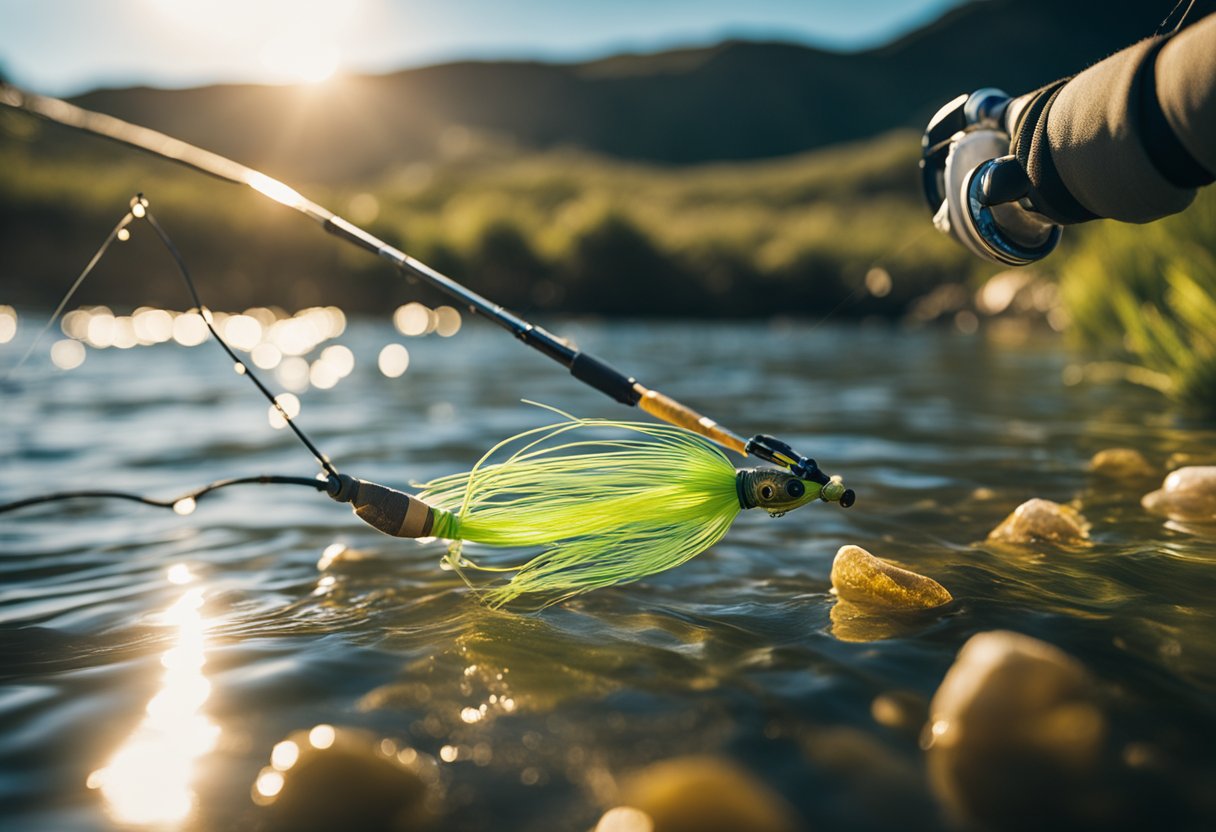
In exploring fly line brands and their innovations, I find a range of options that cater specifically to the needs of fly anglers. Key manufacturers are pushing the boundaries of technology to enhance durability and performance in saltwater conditions.
Noteworthy Fly Line Brands
RIO: Known for their floating running lines, RIO offers various lines designed for different rod weights and fishing conditions. Their products often excel in performance and longevity.
Scientific Anglers: They focus on advanced materials and taper designs. Their offerings include the AST Plus technology, which enhances slickness and reduces casting friction, making long casts more manageable.
Orvis: A brand synonymous with quality, Orvis produces reliable fly lines that cater to both beginners and experienced anglers. Their commitment to innovation ensures their products remain competitive in the market.
Technological Advancements in Fly Lines
Recent advancements have significantly improved fly lines' performance and user experience. Materials used in production are more resilient against wear, especially in saltwater environments.
Floating fly lines now incorporate features that enhance their buoyancy while reducing tangling. Innovations such as AST Plus technology by Scientific Anglers allow lines to maintain slickness, greatly aiding accuracy and distance.
For the angler, this translates into better management of varying rod weights. These innovations lead to improved casting techniques and an overall more enjoyable fishing experience. Each brand’s focus on durability and performance innovation sets them apart in a competitive market.