

Fly Vest: Choosing the Best Lightweight and Waterproof Options for anglers
When it comes to fly fishing, having the right gear can make a significant difference in my experience on the water. A quality fly vest not only provides ample storage for my essentials but also enhances my comfort during long hours of fishing. Choosing the best fly fishing vest, whether it's lightweight for mobility or waterproof for those unexpected splashes, ensures that I'm always prepared.
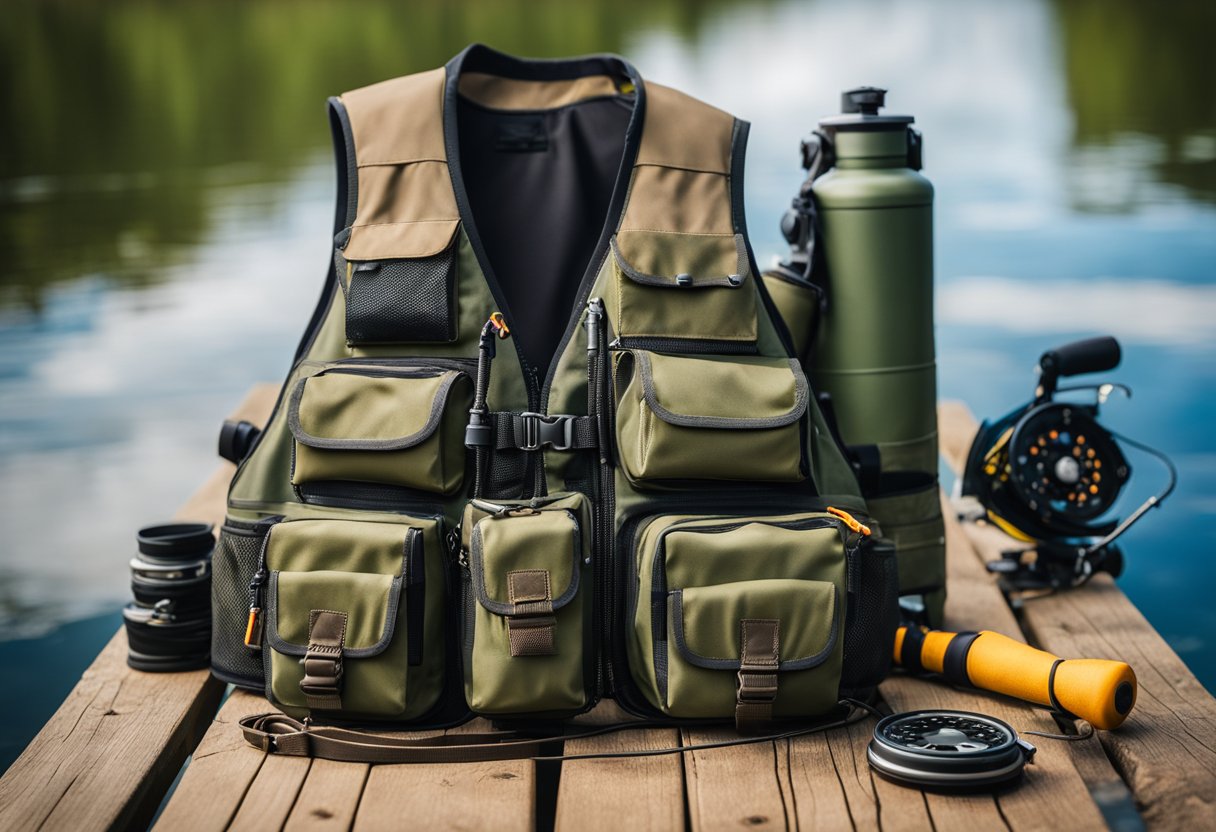
I’ve found that a well-designed fly fishing vest allows me to keep everything I need within reach, from my flies to my tools. Lightweight options are great for those warm days when I want to remain agile, while waterproof varieties help me stay dry in damp conditions. In my outings, comfort is key, and having the right vest can help me focus on what truly matters: enjoying my time on the water and improving my fishing skills.
Essential Features of Fly Fishing Vests
When selecting a fly fishing vest, it’s crucial to consider material durability and design ergonomics. These features contribute significantly to comfort and functionality on the water.
Material and Durability
The choice of material affects both the longevity and performance of fishing vests. I prefer vests made from high-quality nylon or polyester, as these fabrics offer superior resistance to wear and tear.
Waterproof materials are essential for keeping gear dry. Many vests use a waterproof coating or feature waterproof pockets. Neoprene components can enhance insulation and comfort in cooler conditions.
Consider the stitching and zippers. Reinforced seams enhance durability, while quality zippers ensure ease of use. Tests show that good materials withstand the rigors of rugged environments.
Design and Ergonomics
Comfort during long fishing trips is vital, so I look for vests with adjustable straps. This feature allows for a customized fit. A vest with an ergonomic design helps distribute weight evenly.
Pockets play an essential role; I prefer multiple pockets of varying sizes. This allows me to organize tackle, tools, and gear efficiently. Specialized pockets for fly boxes or water bottles improve accessibility.
Breathable mesh panels are beneficial for ventilation, especially on warm days. An insulated vest option can provide warmth without bulk, enabling better casting mobility.
Top Brands and Models
When choosing a fly fishing vest, I have found that certain brands stand out for their quality and design. Below are some noteworthy models that I believe are worth considering.
Orvis Clearwater and Other Models
The Orvis Clearwater Fishing Vest is a top choice for many anglers, including myself. It's designed with comfort and accessibility in mind, featuring adjustable straps and multiple pockets for gear organization. The lightweight fabric ensures I stay comfortable during long sessions on the water.
Other popular models from Orvis, such as the Orvis Pro Vest, add additional utility with watertight pockets and extra storage. These vests are well-known for their durability and functional design, making them suitable for both beginners and experienced fishers.
Simms' Offerings in Fly Vests
Simms consistently produces high-quality fly fishing gear. The Simms G3 Guide Vest is a standout option, renowned for its rugged construction and comprehensive pocket system. This vest includes spacious front pockets, designed to hold all necessary tools and tackle, while the adjustable back panel provides added comfort.
Additionally, I appreciate Simms’ attention to detail, like the breathable materials used, which keep me cool and comfortable on warm days. Their range also includes lightweight options for those who prefer minimalist fishing gear without sacrificing functionality.
Fishpond Design Variants
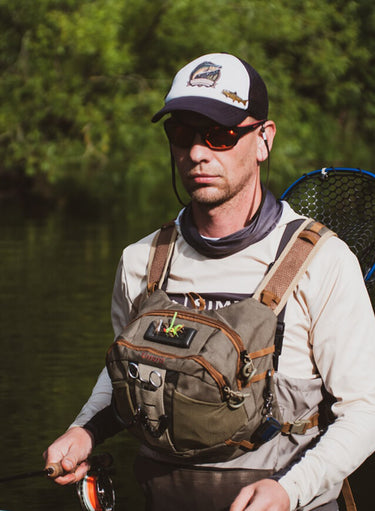
Fishpond is another brand that captures my attention with its innovative designs. They offer vests like the Fishpond Chest Pack, which combines the convenience of a vest with a compact chest pack’s accessibility.
Fishpond’s options frequently feature sustainable materials and removable storage components. This versatility allows me to customize my setup based on specific fishing conditions. The aesthetic appeal and thoughtful organization ensure that I can fish effectively and stylishly.
Accessories and Complementary Gear
When preparing for a day on the water, the right accessories and complementary gear can significantly enhance your fly fishing experience. Proper storage options and essential tools should be prioritized in order to maximize efficiency and convenience while fishing.
Fishing Packs and Storage Options
Selecting the right pack is crucial for carrying gear efficiently. I often opt for backpacks, sling packs, or hip packs depending on my needs.
- Backpacks offer ample storage space for larger loads. They typically come with various compartments for organization.
- Sling packs are convenient for quick access to gear. They allow me to switch from back to front easily, making it straightforward to grab my essentials.
- Hip packs provide a minimalistic option, allowing freedom of movement while keeping necessary items within reach.
These packs should be compatible with waders and boots, ensuring comfort and mobility throughout the fishing session.
Essential Fly Fishing Tools
Having the right tools can make all the difference. I always keep a few essentials on hand:
- Tippet is crucial for connecting flies to the line and requires careful selection.
- Fly line also needs to match my target species for optimum performance.
- I carry a selection of flies, tailored to local conditions, ensuring I’m prepared for various situations.
Additional tools such as forceps, nippers, and a floatant are equally important. Each plays a vital role in maintaining my setup and ensuring I can effectively manage my fishing tasks.
Maintenance and Care
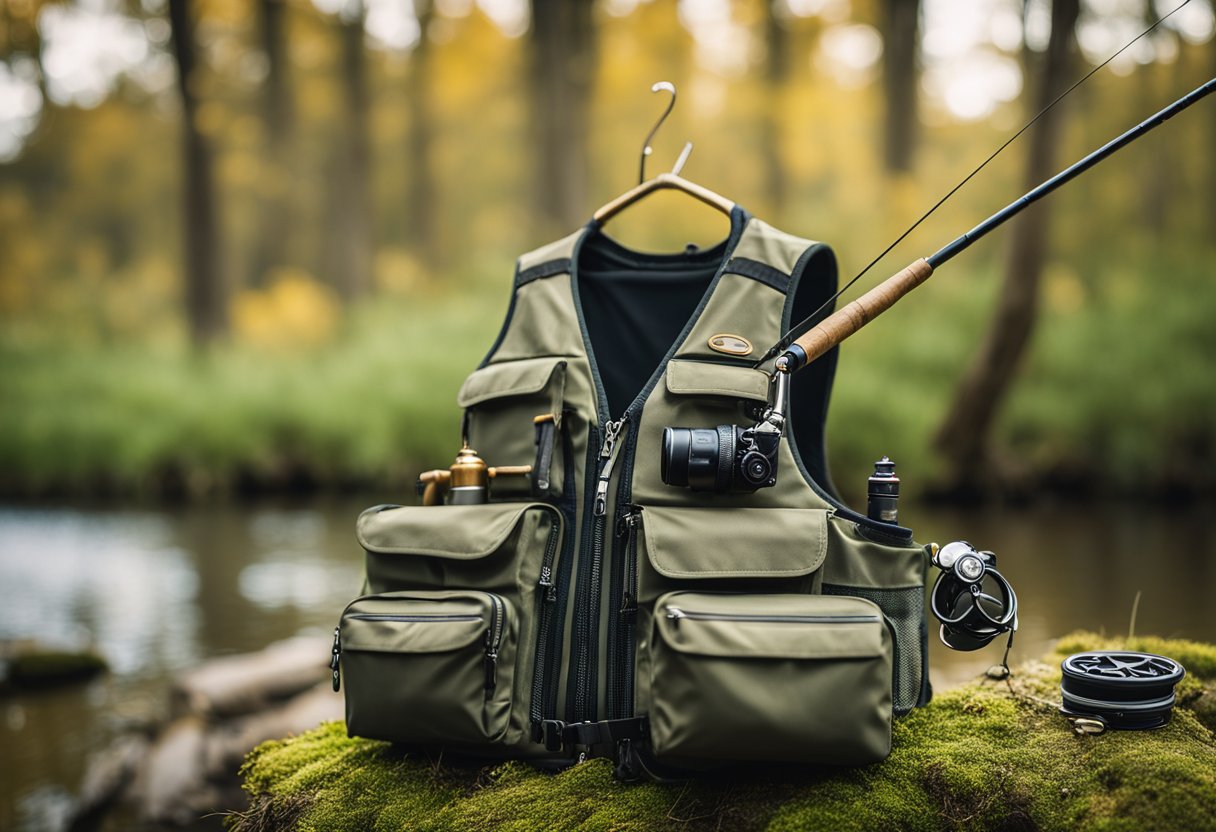
To ensure my fly vest remains in optimal condition, I prioritize proper cleaning and storage techniques. This routine helps maintain its functionality and longevity, especially after exposure to water and varying weather conditions.
Cleaning and Storage
I clean my fly vest after each fishing trip, especially if it has been exposed to saltwater or mud. I use a gentle soap mixed with lukewarm water to wipe down the fabric and pockets. After cleaning, rinsing thoroughly is crucial to remove soap residue.
For storage, I ensure the vest is completely dry to prevent mold and mildew. I prefer to store it in a cool, dry place, ideally in a waterproof pack. If the vest features neoprene components, I check for any signs of wear, as they need special attention. Flexibility in the material can decline if not stored properly.